
How to Make Chair Slip Covers
This post contains affiliate links. As an Amazon Associate, we earn from qualifying purchases.
Making chair slip covers is an enjoyable way to refresh your furniture. Begin by measuring your chair‘s height, width, and depth, then select a fabric you love, such as cotton or polyester. After cutting your fabric to size, pin it to the chair and sew it in place. For added convenience, consider incorporating closures like ties or zippers for easier cleaning. If an accident happens, like a ketchup spill, don’t worry—those stains can be tackled effectively! More tips on maintaining your slipcovers will follow for those looking for additional insights.
Essential Facts in 30 Seconds
- Measure chair dimensions accurately for a proper fit.
- Choose durable, comfortable, and eco-friendly fabric like cotton or polyester blends.
- Cut fabric into manageable lengths and pre-wash to prevent shrinkage.
- Use strong sewing techniques and functional closures for easy removal.
- Wash slipcovers in cold water with mild detergent; store clean and dry.
Types of Chair Slip Covers
Dress up your chairs with stylish slipcovers! Spandex covers fit tightly, giving a smooth and wrinkle-free look. They come in many colors to match your events. Chiavari chair covers let the chair’s beauty shine while adding softness. Universal fit covers work great for different chair styles. Just drape them on and you’re good to go! Furniture protection covers help guard against spills and pet damage. They’re easy to clean too, and you can find them at various online retailers. Specialty designs are available for unique chair types. Each chair can look fabulous. Slipcovers provide a radiant decorative touch that enhances the overall aesthetic of your event.
Don’t worry about stains! A quick clean can make them disappear. Get your chairs looking sharp today!
Fabric Selection for Slipcovers
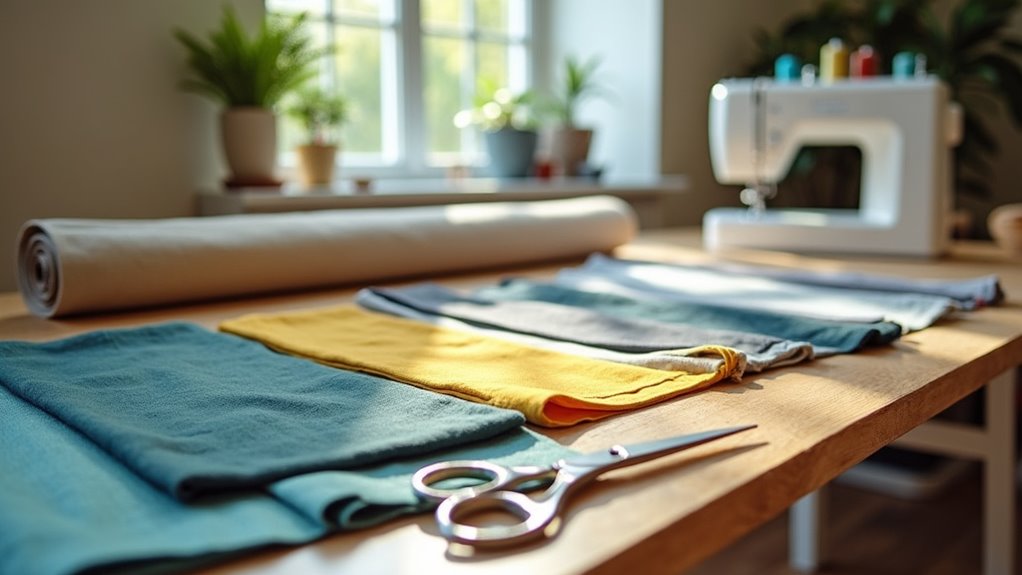
Selecting the right fabric for slipcovers can seem tough, but it’s easier than you think! Start by looking at how strong the fabric is and how often you’ll need to wash it. Here’s a simple breakdown:
| Fabric Type | Durability | Eco-Friendly Options |
|---|---|---|
| Cotton | Moderate | Yes |
| Polyester | High | Some options available |
| Cotton-Polyester Blends | High | Yes |
| Synthetic Suede | High | Yes |
Comfort and strength matter. Cotton feels nice but can stain easily. Polyester is strong and resists fading. Blends give a nice mix of comfort and durability. For those who care about the planet, look for fabrics made from recycled materials. Stretch fabrics are particularly beneficial for achieving a fitted look, especially in ready-made options. Additionally, consider how the fabric will enhance decor in your space, as this can influence your choice. Regular maintenance and cleaning methods can help keep your slipcovers looking fresh and new. Accidents happen! Spilled ketchup? No worries. Choose a fabric that fits your style and needs, and enjoy your new slipcovers! Cleaning preparation is essential to ensure your slipcovers remain in great condition over time.
Preparing Fabric and Materials
Get your fabric and materials ready for making chair slipcovers!
Start with pre-washing your fabric. This step is very important. Washing helps prevent shrinkage later. Use the same detergent and water temperature for washing that you plan to use for cleaning your slipcovers. This ensures that the fabric behaves similarly to the upholstery once it is on the chair.
Next, cut your fabric into manageable lengths. About 5 yards works well. Be sure to serge or zig-zag the edges to stop fraying.
Now, it’s time for fabric blocking! Pin the fabric to the chair to shape it. Remember to leave some extra inches for adjustments. Use T pins for a strong hold. Additionally, consider using a heavy weight linen fabric for durability in your slipcover.
After that, iron your fabric. This will remove wrinkles and help your pieces fit better.
You are on your way to creating something amazing!
Measuring and Pattern Making
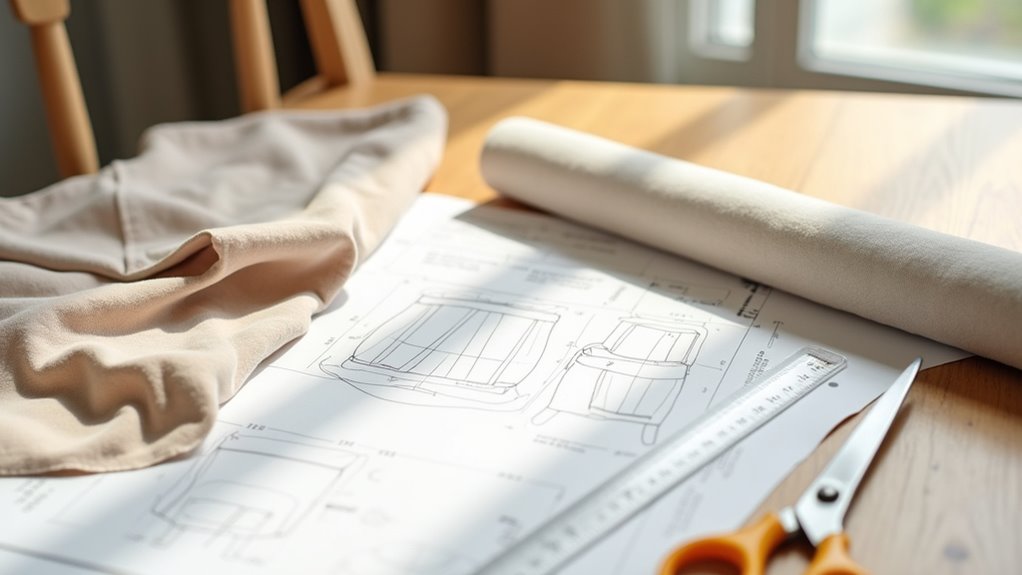
Measuring and making patterns are key steps for your chair slipcover project. Getting these steps right feels rewarding. Start with a flexible tape measure to easily capture your chair’s curves.
Here are some important tips for measuring:
- Measure the height from the floor to the top of the chair back. Leave 1-2 inches for extra space.
- Measure the width at the widest part, usually from one arm to the other.
- Measure the depth from the front edge of the seat to the backrest. Adjust for any curves you see.
- Measure any cushions separately to ensure a good fit.
Don’t forget to adjust your patterns. Use your measurements to draft patterns, and remember to add seam allowances for a neat finish. Additionally, consider using foam or batting for padding to ensure comfort and fit when making your slipcovers.
Try making templates from paper first. This helps you see how everything fits together. With careful measuring, you’ll create a slipcover that fits perfectly. No special tricks needed!
Sewing Techniques
Starting to sew chair slipcovers is exciting! First, pick a strong stitch. This helps hold everything together, especially with thick fabrics. Fun closures like zippers or ties make it easy to remove the slipcover for washing. No need for complicated moves!
Take your time. Being careful makes your slipcover look sharp. A well-fitted cover is satisfying to see. Use high-quality thread for durability. Match the color of the thread to your fabric for a neat finish. Additionally, securing the layers is an important step in ensuring the longevity of your slipcovers. Consider using durable fabric options to enhance the overall quality of your chair covers.
Measure your chair carefully before cutting the fabric. Accurate measurements ensure a better fit. Iron your fabric before sewing. This helps remove wrinkles and makes sewing easier. Additionally, accurate measurements are crucial for ensuring a snug fit when creating slipcovers.
Enjoy the sewing process. It’s a great way to make your furniture look new!
Durable Stitch Selection
Picking the right stitches is key for strong chair slipcovers. The right techniques make a big difference. Here are some tips for durability:
- Use a straight stitch for main seams. It’s both strong and accurate.
- Apply a zigzag stitch on raw edges. This stops fraying and loose threads.
- Try a double-needle stretch stitch. It allows for flexibility in seams.
- Use flat-felled seams for added strength, especially on corners.
Thread quality matters too. Good thread helps your slipcovers last longer.
Always test your stitches on scraps first. This helps you find the right length and tension. Nobody wants puckered seams!
Practice often. Enjoy the process and create something wonderful!
Handling Thick Fabrics
Handling thick fabrics can be a challenge. With the right techniques, you’ll master it quickly. Use a heavy-duty needle, size 16 or 18. Pair it with strong upholstery thread. This helps tackle those dense materials effectively.
Sew slowly. A slower speed lets your machine work smoothly without jamming. Level thick seams by placing scrap fabric under the presser foot. This ensures even stitching.
Bury the needle in the fabric when pivoting. This keeps everything in place. If you get stuck, just laugh it off. Sewing is all about making magic happen!
Happy sewing!
Adding Functional Closures
Now that you understand thick fabrics, it’s time to add closures to your chair slipcovers!
Closures make your slipcovers more functional and secure. Here are some great options to consider:
- Use button-and-loop closures for easy fastening.
- Try elastic casings for a snug fit.
- Cord locks with elastic allow for adjustable tension.
- Zippers provide a tight fit and easy removal.
Always pin your closures before sewing. This will help avoid mistakes.
Functional closures keep your slipcover in place. No more slipping when you sit!
Enjoy sewing and keep those spills away!
Care and Maintenance
Keep your slipcovers fresh and fabulous!
Wash them in cold water using mild detergent. Always zip them up before washing. This helps prevent surprises on laundry day. Regularly cleaning your upholstery can also enhance the longevity of your slipcovers. Regular cleaning of your furniture, including chair maintenance, can further extend their life.
For stubborn stains, use a damp cloth. Blot the stain gently as if you were a ninja. Quick action helps those marks disappear!
Regular care keeps your slipcovers looking great for a long time. Additionally, consider regular cleaning to maintain the overall appearance and hygiene of your furniture. Enjoy your clean and tidy space!
Washing Recommendations
Keeping your chair slipcovers fresh and fabulous is important. Follow these washing tips for great fabric care.
Use cold or warm water. Cold water is best if you’re unsure.
Select a gentle cycle. This helps reduce wear and tear.
Use a mild detergent. Avoid bleach at all costs to preserve the fabric’s integrity.
Always air-dry your slipcovers. This will prevent shrinkage. Regularly refreshing inner filling can also enhance the comfort of your chair. Additionally, vacuuming cushions regularly helps to maintain a clean and healthy environment.
Accidentally spilled ketchup? Don’t worry! Blot it right away.
Use a mild enzyme detergent to clean the stain.
For added longevity, regularly vacuum cushions to prevent dirt accumulation.
With these tips, your slipcovers will stay lively and cozy for years!
Stain Protection Tips
Keeping chair slipcovers clean is just part of the job. Protecting them from stains is where the real work begins. Use eco-friendly fabric sprays to add a protective layer. These sprays make the fabric water-resistant and help keep spills away. Regularly reapply protective sprays to maintain their effectiveness. Additionally, consider using durable fabric that can withstand daily wear and tear.
Remember to reapply them often, especially with traditional options like Scotchgard.
For quick spills, blot them right away with a clean cloth. Use cold water to lift the stains. If a mark is stubborn, try a mix of vinegar and dish soap. It works great!
Choose strong fabrics like yarn-dyed denim to avoid frequent washes. This choice can save time and keep your slipcovers looking great. Regular deep cleaning of your slipcovers will help maintain their appearance and prolong their life.
Keep those slipcovers fabulous and stain-free!
Storage Guidelines
Storing chair slipcovers correctly keeps them fresh and ready to use. Follow these simple steps to protect your covers:
- Clean and dry your covers completely before storage. This stops mildew from forming.
- Fold them along the original lines. Use soft padding between layers to prevent crushing.
- Hang them on wide, non-slip hangers. Cover with plastic bags to keep dust away.
- Store them in a cool, dry spot. Use tight-sealing containers to keep pests out.
These methods help your slipcovers stay in great shape for the next time you need them.
Frequently Asked Questions
How Do I Choose the Right Color for My Slipcovers?
Choose slipcover colors that match your mood. Bright colors can energize a space. Soft colors create calmness. Patterns add fun and personality. Make sure they fit with your furniture and decor. Balance bold colors with soft tones for interest. Your slipcovers should make your home feel inviting and comfortable.
Can I Use Upholstery Fabric for Slipcovers?
Upholstery fabric is great for slipcovers. Choose light to medium-weight fabric. This keeps the slipcovers strong and durable. Blended fabrics offer comfort and are easy to clean. They protect your furniture while still looking good. Look for materials that allow flexibility and drape nicely. This way, your slipcovers will fit well and add style to your space. Enjoy the benefits of using upholstery fabric for your slipcovers!
How Do I Remove Stains From Slipcovers?
To remove stains from slipcovers, act fast. Blot spills right away. Use gentle cleaning solutions that match your fabric type. Test any cleaner on a small area first. Always wash slipcovers in cold water. This helps keep them strong and looking good. Regular care makes a big difference. Stains don’t stand a chance when you’re quick and careful. Take good care of your slipcovers, and they will last longer.
Are There Specific Tools Needed for Making Slipcovers?
Making slipcovers requires some important tools. First, you need fabric scissors for clean cuts. A sewing machine is also essential for stitching the fabric together. Knowing basic sewing techniques is key. Understanding different fabric types will help you choose the right ones. This knowledge ensures a professional-looking finish. Prepare to pick materials that match your style and needs. With the right tools and skills, you can create beautiful slipcovers.
How Long Does It Typically Take to Make Slipcovers?
Making slipcovers doesn’t have to take a long time. With the right fabric and good sewing skills, you can finish in 8 to 15 hours. The time it takes depends on how complex the project is. Simple designs are quicker. More intricate ones will take longer.
Choose fabrics that are easy to work with. Cotton and linen are great options. They are forgiving and easy to sew. Knowing how to use your sewing machine well also helps speed up the process.
Practice makes perfect. The more you sew, the faster you’ll get. So, grab your materials and start creating those slipcovers!
Conclusion
Transform your chairs with stylish slipcovers. These covers fit like a glove. Start by picking the right fabric. Measure your chairs carefully. This step is super important. Grab your sewing kit and get creative! Slipcovers hide stains and freshen up old chairs. You can do this project with confidence. Enjoy sewing, and make your chairs look fabulous!