
How to Sew a Chair Cushion
This post contains affiliate links. As an Amazon Associate, we earn from qualifying purchases.
To sew a chair cushion, begin by gathering essential materials such as fabric, foam, a sewing machine, and thread. Measure your chair and cut the fabric accordingly, adding extra for seams. Sew the pieces together, leaving a gap for stuffing, then insert your foam and close it up. It’s wise to choose durable fabric, particularly if you have children or pets, to withstand spills and stains. For those interested in more detailed steps and tips, continue reading!
Essential Facts in 30 Seconds
- Measure chair seat dimensions and add seam allowances for accurate fabric cutting.
- Select durable fabric and high-density foam for comfort and long-lasting cushions.
- Use sharp tools for clean cuts and pin fabric pieces before sewing.
- Reinforce seams with extra stitches and use pinking shears to prevent fraying.
- Include a zipper for easy cover removal and washing to keep cushions clean.
Materials and Tools for Sewing a Chair Cushion
Sewing a chair cushion requires the right materials and tools. Start with essential sewing items. A sewing machine helps you make strong seams. Use sewing needles for finishing touches. A sewing gauge keeps your measurements accurate. Fabric tape measures and rulers ensure precise cuts. These tools make a big difference!
Choose durable fabric like cotton or seersucker. These materials last a long time. For comfort, use high-density foam. Adding wadding gives a plush feel to your cushion. Creating custom chair cushions requires careful consideration of foam thickness and fabric choice. It’s important to measure chair seat dimensions accurately to ensure a perfect fit. Additionally, the fabric pieces should be cut to match the measurements with added seam allowances. To enhance durability, consider using upholstery fabric for your chair cushions. Pick thread that matches your fabric color. This makes your seams look neat and sharp.
With these materials and tools, you can sew like a pro. Just remember, keep food and drinks away from your project!
Preparing and Measuring Cushions and Fabric
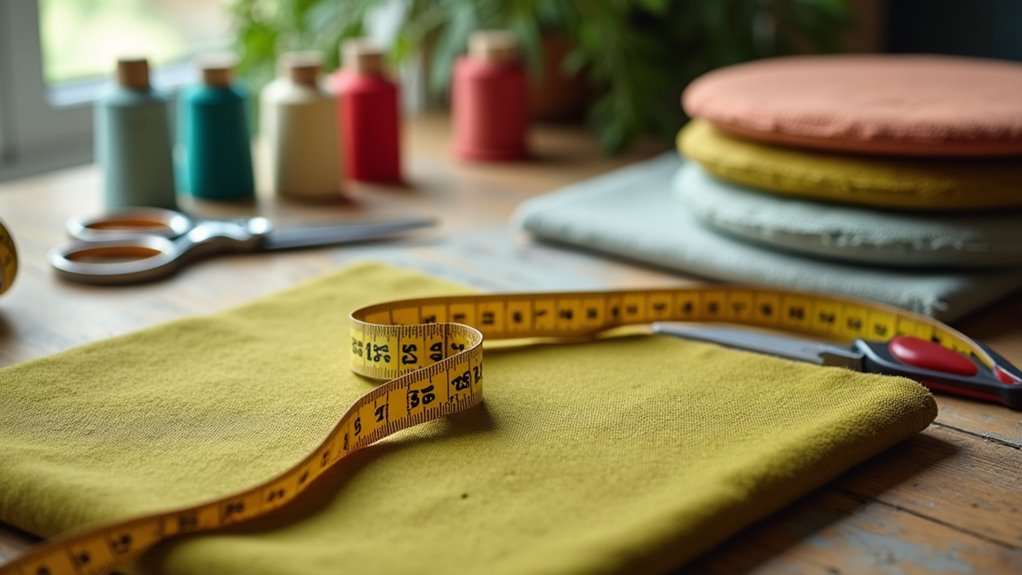
Let’s get those chair cushions ready! Start by measuring each cushion. Use a flexible measuring tape. Write down the width, length, and height. This step saves time and trouble later. Remember to measure down to the seam if your cushion has a hinge to ensure a proper fit. Additionally, make sure to consider the tufting points for padding alignment, as these points will add a nice touch to your cushions. It’s also important to replace damaged foam to ensure comfort and support for your cushions.
When choosing your fabric, opt for durable material that can withstand wear and tear, especially if the cushions will be used frequently.
With these steps, your cushions will look great and feel comfortable!
Accurate Chair Dimensions
Getting the right chair dimensions is important for comfort. Accurate measurements keep cushions fitting well. This prevents them from being too loose or too tight. Use a flexible tape measure for the best results. Measure directly on the seat for accuracy. Standard wicker furniture can be used without cushions, but seat cushions are preferred for comfort during prolonged sitting. Additionally, regular cleaning routines can help maintain the cushions’ appearance and comfort over time. Properly cleaning chair upholstery ensures that your cushions remain in good condition and enhances their longevity. To maintain the quality of your cushions, consider implementing preventive maintenance measures.
Here’s a quick reference to help you:
| Measurement | Description | Example |
|---|---|---|
| Width | Across the front edge of the seat | 20 inches |
| Depth | From the front edge to the backrest | 18 inches |
| Thickness | Height of the cushion from seat to top | 3 inches |
These simple guidelines make sure you choose the right chair for your space. Happy measuring!
Fabric Cutting Techniques
Cutting fabric for chair cushions can be simple and fun. Start by measuring your fabric. Double the height of the foam and add extra for seams. Remember to choose durable fabric that can withstand regular use. Additionally, consider using a measuring tape to ensure precise measurements.
Use an old cushion cover or foam as a template. Check the fabric’s direction, especially with patterns like stripes. Use sharp scissors or a rotary cutter for clean cuts.
Pin or mark important points to ensure accuracy. Make sure to square off your fabric before cutting. For multiple pieces, stack your fabric to cut them all at once. Additionally, ensure that you measure chairs accurately to achieve a perfect fit for your cushions.
Follow these tips, and you’ll cut fabric like a pro! Happy cutting!
Marking Tufting Points
After mastering fabric cutting, it’s time to mark tufting points! First, find the center of the cushion. Measure and fold it, then mark the center with a pin. Use this center to space tufting points about 4 inches apart. Stagger the marks for a zig-zag diamond pattern. When preparing your cushion, ensure to assess current upholstery to achieve the desired look. Additionally, consider using durable fabric that can withstand wear over time. To ensure the best results, choose a stable surface for marking to maintain accuracy.
Here’s a simple guide for your marking tools:
| Marking Tool | Use When | Notes |
|---|---|---|
| Washable Marker | For temporary marks | Easy to wipe off later |
| Pins | To secure tufting points | Helps with accuracy |
| Chalk | For button tufting | Rubs off easily |
Take your time. Double-check your measurements. Soon, your cushion will look fabulous!
Sewing Techniques and Assembly
Sewing a chair cushion is a fun project that can brighten up your space. Start by measuring your chair seat. Use paper to make a pattern based on these measurements. Pick a fabric that matches your style and is strong enough for everyday use. Use sharp scissors to cut your fabric for a clean edge.
Next, pin the pieces together. Keep a 3/8-inch seam allowance. Let’s add piping! Sew it around the edges. A cord foot makes it easier to sew around corners.
For assembly, sew the fabric halves together. Leave a small opening for stuffing. Attach straps at the corners. One strap should have Velcro facing up and the other down. Overlap the seam for added strength.
With these sewing techniques, your cushion will be both comfy and stylish. Enjoy your sewing project!
Cushion Filling and Finishing
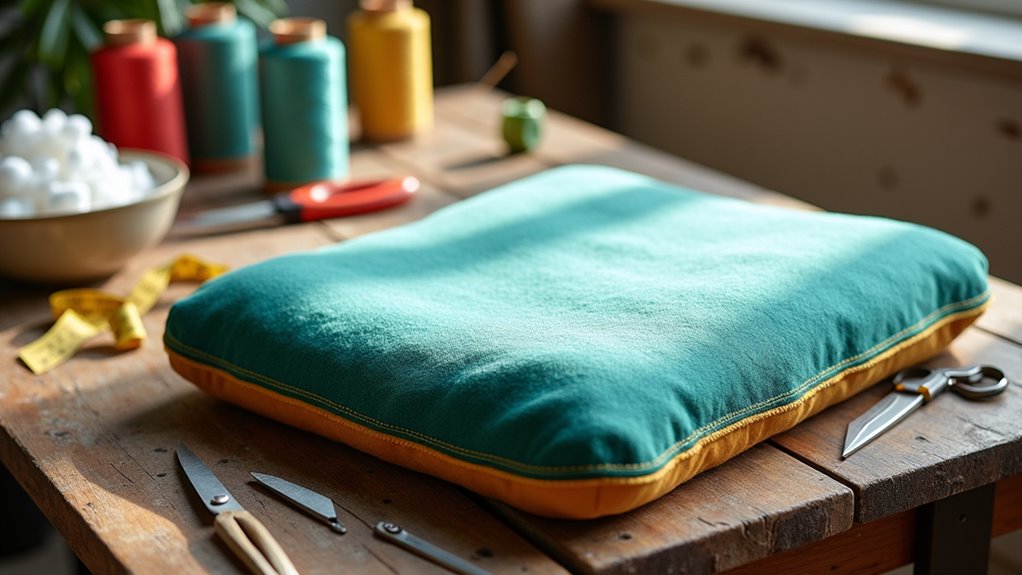
You’ve finished sewing your cushion cover.
Now, it’s time to select the right filling. Pick comfy foam or soft fibers. The choice depends on how you plan to use the cushion.
Stuff the cushion carefully. Too little filling makes it sag. Too much makes it hard. Find the perfect balance. Consider using new foam to enhance comfort.
Seal the cover tightly.
Give it a good fluff and shape. This will help it look nice and feel great. Your chair will get an amazing upgrade!
Selecting Cushion Material
Choosing the right cushion material is important for comfort. Different materials serve different needs. High-density foam offers firm support. It’s perfect for those who need strong backing.
Medium and low-density foam provide a softer feel. These options are great for lounging.
For a plush experience, spring down cushions are excellent. They feel luxurious but can be pricey.
Budget-friendly? Polyester fiberfill works well for decorative pillows. It’s not the best for heavy seating, though.
Memory foam is another great choice. It helps relieve pressure points.
Think about your comfort needs and budget. With these options, you can find the perfect filling for your chair cushions. Time to get started!
Final Adjustments and Sealing
First, check the foam. Look for lumps or sagging spots. Add polyester batting to fix any comfort issues. Reupholstering an office chair can also enhance the chair’s overall comfort and appearance. Remember to consider the right materials when selecting your cushion filling for optimal results.
Next, carefully place the foam into the cover. Ensure it fits snugly without any bunching.
Now, zip the cover closed. Push down the foam to avoid snags.
Let’s focus on durability! Use pinking shears on the seams. This keeps the fabric from fraying. Reinforce the corners with extra stitches for strength.
Before finishing, check the shape. Smooth out any wrinkles. Additionally, consider creating mitered corners for a clean finish on your cushion edges.
Celebrate your hard work! Your cushion is ready to enjoy!
Tips and Best Practices
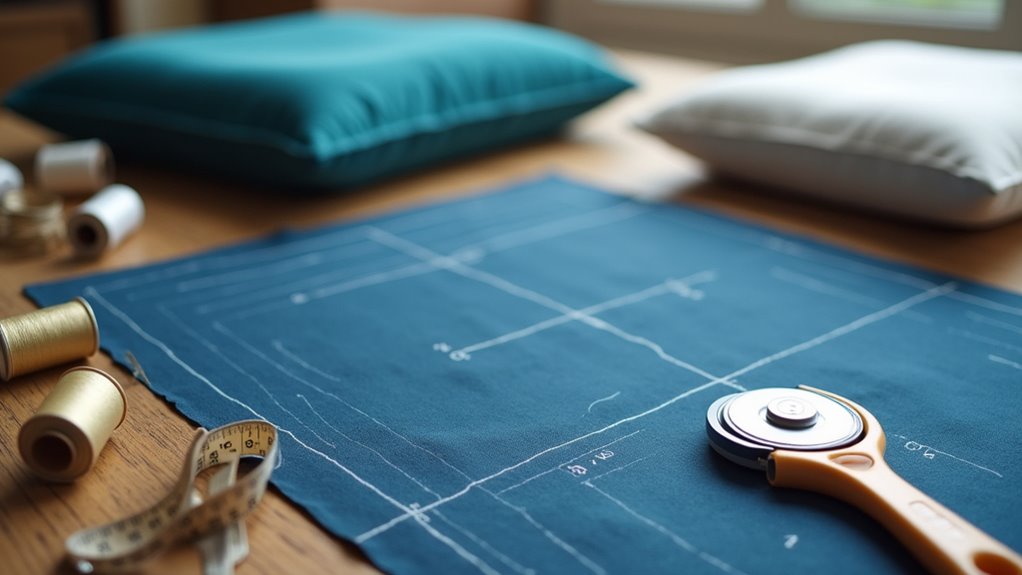
Sewing a chair cushion can be fun and rewarding. Follow these tips to make the process easy and enjoyable. First, choose strong upholstery fabric. This helps the cushion last longer. Wash the fabric before you start. This prevents problems with shrinking later.
Cut the fabric carefully. Remember to add a seam allowance. Align patterns for a tidy finish.
Here’s a quick reference table with essential tips:
| Step | Tip | Why It Matters |
|---|---|---|
| Fabric Selection | Choose durable fabric | Ensures long-lasting quality |
| Seam Construction | Sew right sides together | Increases seam strength |
| Stuffing | Use foam evenly | Keeps the cushion comfy |
| Closure | Use a zipper | Makes washing easy |
| Finishing Touches | Trim seam allowances | Prevents lumps |
With these tips, your chair cushion will look great and feel comfortable! Happy sewing!
Variations and Customizations
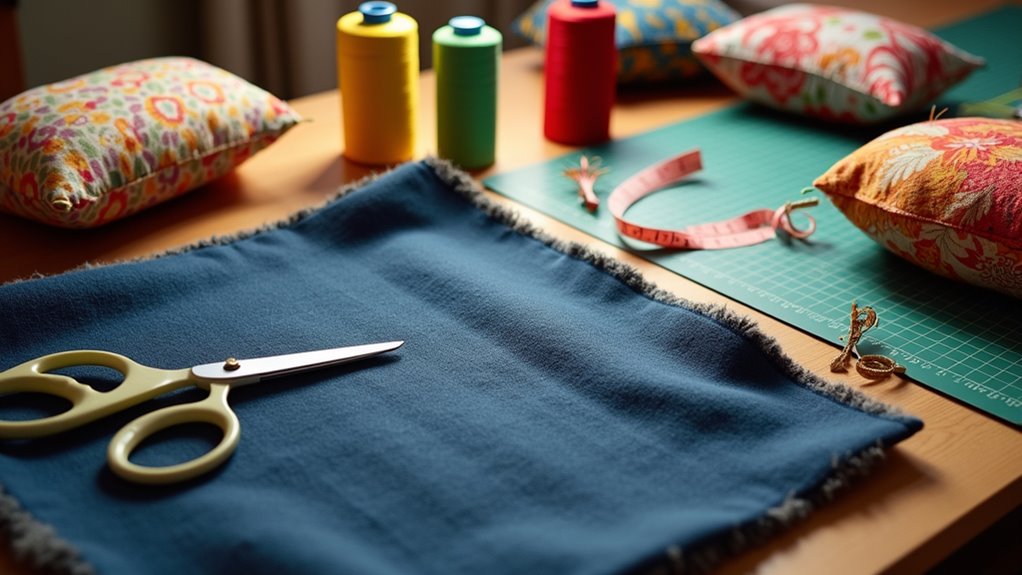
Sewing your chair cushion is just the start. It’s time to get creative! Make custom patterns to fit your unique chair shapes. Experiment with different cushion styles. Try square, rectangular, or round cushions to match your taste.
Choose fun cotton calico fabrics for a lively look. For a classy finish, use decorator cotton. Add piping around the edges for extra flair. Cute button tufting can give your cushions personality.
Think about the filling, too! Cotton batting feels soft, while high-density foam offers support. For outdoor cushions, select fabrics that are easy to clean. Additionally, ensuring that the fabric is durable for wear will help your cushions last longer.
Mix and match different styles and colors. Let your creativity shine! Your chairs will love the new look.
Frequently Asked Questions
What Type of Fabric Is Best for Outdoor Cushions?
For outdoor cushions, water-resistant materials work best. Sunbrella and olefin are excellent choices. They protect against UV rays, keeping colors bright. These fabrics also withstand harsh weather. You get comfort and style that lasts. Enjoy your outdoor space with the right cushion fabric.
How Do I Choose the Right Foam Thickness for Comfort?
Choosing the right foam thickness is key for comfort. Thicker foam usually provides better support. It feels softer and can help with body weight distribution. Denser foam can also be comfy, even if it’s thinner. Density matters just as much as thickness.
Think about how you use the foam. For a mattress, thicker foam might feel better. For a chair, a denser foam can be just right. Don’t overlook these details. They can make a big difference in your comfort level. Always test the foam if you can. Find what feels best for you!
Can I Use a Serger for Sewing Chair Cushions?
A serger is great for sewing chair cushions. It makes strong seams and finishes edges nicely. This adds durability to your cushions. Use a serger for speed and a clean look.
A regular sewing machine is still needed. You’ll want it for zippers and detailed stitching. Combining both machines gives the best results. Enjoy making your cushions with ease!
How Do I Clean and Maintain My Chair Cushions?
Chair cushions need regular care to stay fresh. Use gentle cleaning methods. Start by vacuuming to remove dirt and dust. Rotate the cushions every few weeks. This helps them wear evenly.
For stains, spot clean with mild soap and water. Avoid harsh chemicals that can damage the fabric. Allow the cushions to air dry completely. Sunlight can help remove odors.
Check the cushions for any loose seams or tears. Repair them quickly to prevent bigger issues. With proper care, your chair cushions will look great for years.
What Are the Best Practices for Storing Cushions?
Clean and dry your cushions well before storing them. This step helps prevent mold and odors. Always store cushions in a climate-controlled area. A cool, dry place works best. Use protective containers like plastic bins to keep them safe.
To keep cushions in good shape, rotate them every season. This practice prevents uneven wear and helps maintain their form. Store cushions away from dampness and pests. Avoid direct sunlight, as it can fade colors. Following these tips will ensure your cushions stay fresh and ready for use.
Conclusion
You’re all set to make your chair cushion! It’s easier than you think. Grab your fabric and get started. Feel free to use bright colors or fun patterns. This is your chance to show your style!
Remember, sewing can be tricky. If you accidentally poke yourself with a needle, don’t stress. It happens to everyone. Just keep sewing and enjoy the process.
Soon, you’ll have a soft cushion that changes your chair. It will feel cozy and inviting. Happy sewing! Enjoy making something special for your home.