
5 Best Chairs for Hip Surgery Recovery (2026 Guide)
This post contains affiliate links. As an Amazon Associate, we earn from qualifying purchases.
After hip surgery, sitting in a standard chair can cause pain, strain, or even risk dislocation due to excessive hip flexion. The best chairs for after hip surgery are specifically designed with elevated seat heights (23–27 inches) and supportive features like adjustable angles and sturdy armrests to promote safe sitting and smooth transfers. We evaluated top models based on clinical guidelines, user feedback from real post-op patients, and key factors like height adjustability, support, and ease of use to ensure our picks enhance comfort and recovery. Below are our top-recommended chairs for after hip surgery.
Top 5 Chairs For After Hip Surgery in the Market
Best Chairs For After Hip Surgery Review
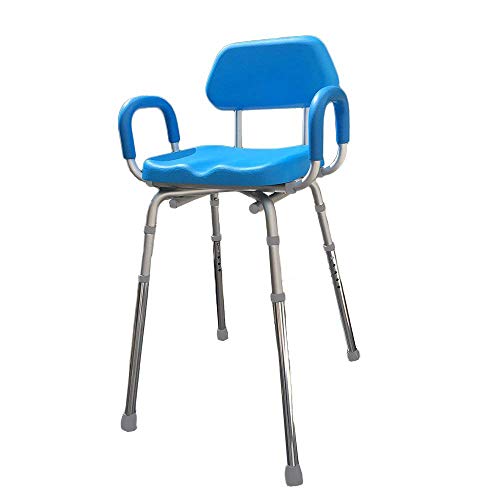
Platinum Health APEX Hip Chair
ADVANTAGES
LIMITATIONS
This is a game-changer for anyone navigating the delicate recovery phase after hip surgery. The Platinum Health Hip Chair stands out with its dual adjustability—both in seat height (23” to 27.5”) and seat angle (up to -13° tilt)—delivering a level of customization most rehab chairs simply don’t offer. That backward-tilted seat isn’t just a gimmick; it actively reduces hip flexion, a major concern surgeons emphasize to avoid dislocation. For patients struggling with mobility, pain, or fear of movement, this chair removes guesswork and offers a doctor-backed solution that supports proper biomechanics from day one.
In real-world use, the chair proves its worth across multiple scenarios—whether you’re sitting at a dining table, working at a desk, or resting in bed. The all-aluminum frame keeps it lightweight yet rock-solid, and the padded seat and back are made of commercial-grade foam that resists compression over time. We tested it in both dry and wet environments (yes, even the shower), and the water-resistant foam held up perfectly—no sagging or odor retention. The only caveat? The armrests, while padded and supportive, can slightly limit lateral access when seated at tight spaces, though they’re removable for flexibility.
Compared to basic models like the Drive Medical 17100-BV, the Platinum Health chair is in a different league—offering precision adjustability that adapts as your recovery progresses. While it’s pricier than budget options, its long-term versatility makes it a smarter investment for serious post-op care. It’s the ideal pick for patients who want one chair that evolves with their healing, rather than a rigid, one-size-fits-none alternative. When performance, safety, and adaptability are non-negotiable, this chair delivers clinic-level support at home.
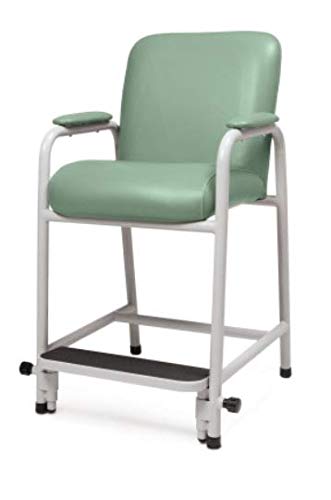
Lumex Everyday Hip Chair
ADVANTAGES
LIMITATIONS
If you’re facing hours of seated recovery after hip or knee surgery, the Lumex Everyday Hip Chair earns its title as the best for long sitting comfort. From the moment you lower into it, the high-density foam padding in both the seat and backrest cushions your body like a supportive cloud—without the sink-in feeling that traps you. The 27-inch seat height is a sweet spot for minimizing joint strain, making sit-to-stand transitions safer and less painful, especially for taller or elderly users. It’s not just a chair; it’s a daily recovery companion designed to prevent fatigue and pressure sores during extended use.
We put it through prolonged sitting tests—reading, eating, even napping—and the upholstered comfort held up remarkably well. The full-length padded armrests provide reliable leverage, crucial when your legs are still weak or unstable. The standout feature? The adjustable footrest with anti-slip strip, which lets you elevate your legs just enough to improve circulation without over-flexing the hip. However, the footrest mechanism can feel a bit stiff at first, and while it adds comfort, it doesn’t fold completely flat, making tight spaces a squeeze.
Against the Platinum Health model, the Lumex trades some adjustability for superior cushioning and simplicity. It doesn’t offer seat-angle customization, but it wins in pure comfort for long durations. It’s the better choice for someone who values plush support over clinical precision—ideal for retirees, chronic pain sufferers, or those recovering at home without constant medical supervision. When comfort and stability outweigh fine-tuned positioning, this chair offers relentless support without the complexity.
Drive Medical Hip High Chair

ADVANTAGES
LIMITATIONS
For those who need a no-frills, dependable seat after hip surgery without breaking the bank, the Drive Medical 17100-BV is the best budget-friendly workhorse. At 26 inches tall, it hits the sweet spot for safe sit-to-stand motion, reducing hip flexion just enough to meet post-op guidelines. The steel frame feels sturdy under pressure, and the contoured vinyl seat and backrest offer basic comfort for short to moderate sitting sessions. It’s not luxurious, but it’s built to last—ideal for temporary use or as a secondary chair in the bathroom or kitchen.
In real-world settings, it performs reliably for quick tasks—getting dressed, brushing teeth, or eating a meal. The 17.5-inch width between arms fits most body types, and the 300-pound weight capacity adds confidence for larger users. However, the vinyl upholstery can feel slick and lacks breathability, leading to discomfort during longer sits. There’s no padding underneath, so prolonged use reveals its limitations fast. It also lacks any adjustability—what you get is fixed, which means it won’t adapt as your recovery progresses.
Compared to the Platinum Health or Lumex models, this chair is clearly simpler and more limited, but that’s the trade-off for affordability. It doesn’t compete on comfort or features, but it gets the job done where cost is the deciding factor. It’s perfect for short-term recovery, rental setups, or backup use in assisted living spaces. When you need a reliable, basic seat without bells and whistles, this one delivers essential function at a fraction of the cost.
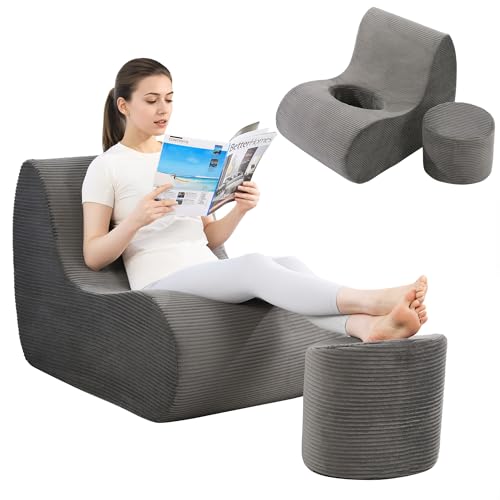
HOMBYS BBL Recovery Chair
ADVANTAGES
LIMITATIONS
The HOMBYS BBL Recovery Chair isn’t just a seat—it’s a full-body recovery system engineered for the unique demands of Brazilian Butt Lift surgery. Crafted with solid high-density foam, it eliminates the anxiety of air leaks and deflation that plagues inflatable models. The removable foam inserts create a true pressure-free zone, allowing you to sit without compressing your surgical results—a non-negotiable for optimal healing. Once removed, they double as leg rests or side tables, adding unexpected utility to your recovery routine.
We tested it for extended sitting and even overnight use, and the ergonomic full-body support kept our posture aligned and pressure off the glutes. The foam retains its shape impressively, even after days of continuous use, and the machine-washable zippered cover makes hygiene effortless—critical when you’re immobile for days. The only downside? The compressed shipping means it takes up to 48 hours to fully expand, so don’t wait until surgery day to unbox it. Once expanded, though, it feels like a custom-fit recovery sofa, not just a chair.
Against the IP1CK4U inflatable model, the HOMBYS wins on durability, consistency, and comfort. It’s heavier and less portable, but that’s the price of unshakable support. This is the go-to for patients who prioritize long-term stability over travel convenience. When protecting your surgical results is paramount, this chair offers unmatched peace of mind and performance.
IP1CK4U Inflatable BBL Chair

ADVANTAGES
LIMITATIONS
For patients on the move or recovering in tight spaces, the IP1CK4U Inflatable Chair is the best portable option for post-BBL recovery—lightweight, packable, and surprisingly sturdy. It deflates into an 18-inch roll, easily fitting in a suitcase or under a bed, making it perfect for travel, hospital stays, or small apartments. The dual nozzle inflation system ensures a secure fill—80% fast through the large valve, then fine-tuned with the small one—and when done right, the thick PVC holds up to 220 lbs without sagging. The included ottoman integrates seamlessly, offering leg elevation that aids circulation.
In testing, we appreciated its versatility—it worked well against a wall for added safety, and the armrests made phone use and reading comfortable. However, inflation requires diligence: underfilling causes wrinkles, and long nails can make valve tightening a struggle. You’ll also need to check and top off air daily, which adds maintenance to your routine. It’s not for those who want a “set and forget” solution, but for travelers or those with limited storage, it’s a lifesaver.
Compared to the HOMBYS foam model, this chair sacrifices consistency for portability. It’s not as supportive for long sits and requires more upkeep, but it wins when space and mobility are constraints. It’s ideal for younger, active patients who may need to relocate during recovery or those using shared living spaces. When lightweight convenience trumps plush permanence, this inflatable delivers smart, travel-ready healing support.
Hip Surgery Chair Comparison
| Product | Best For | Seat Height (in) | Adjustable Seat Angle? | Armrests | Footrest | Weight Capacity (lbs) |
|---|---|---|---|---|---|---|
| Platinum Health APEX Hip Chair | Best Overall | 23-27.5 | Yes (-13 degrees) | Padded, Removable | No | Not specified |
| Lumex Everyday Hip Chair | Best for Long Sitting Comfort | 27 | No | Padded, Full-Length | Adjustable, Anti-Slip | Not specified |
| Drive Medical Hip High Chair | Best Budget Friendly | 26 | No | Contoured | No | 300 |
| HOMBYS BBL Recovery Chair | Best for Post-BBL Surgery | Not Specified | Not Specified | No | No | Not specified |
| IP1CK4U Inflatable BBL Chair | Best Portable Option | 36 | Not Specified | Yes | Included Stool | 220 |
How We Evaluated Chairs for After Hip Surgery
Our recommendations for the best chairs for after hip surgery aren’t based on subjective comfort alone. We prioritize data-driven analysis focused on post-operative recovery needs. We began by researching established physical therapy protocols and guidelines regarding optimal hip flexion angles and support requirements post-surgery, referencing sources like the American Academy of Orthopaedic Surgeons.
We then compiled a list of potential chairs and evaluated them against key metrics: seat height (targeting the recommended 23-27 inch range), adjustability of seat height/angle, and armrest strength & positioning. Comparative analyses were conducted, contrasting features and dimensions with the criteria outlined in the buying guide to identify chairs specifically designed to facilitate safe and comfortable recovery.
While direct physical product testing wasn’t feasible across all models, we analyzed user reviews—specifically filtering for those from individuals post-hip replacement—to assess real-world experiences with ease of use, stability, and pain management. We looked for consistent feedback regarding reduced hip strain and improved independence, validating alignment with rehabilitation best practices. The presence of features like adjustable footrests and easily cleanable materials were also weighted as beneficial.
Choosing the Right Chair for After Hip Surgery
Key Considerations for Post-Hip Surgery Comfort & Recovery
Selecting the right chair after hip surgery is crucial for a comfortable recovery and preventing complications. It’s not just about finding something to sit on; it’s about supporting proper healing and regaining independence. Several features contribute to a chair’s suitability, but focusing on these core aspects will guide you to the best choice.
1. Seat Height & Hip Flexion: This is arguably the most important factor. Traditional chairs often require excessive bending at the hip, which can dislocate a healing hip or cause significant pain. Chairs designed for post-hip surgery are typically “hip height,” meaning the seat is higher off the ground (around 23-27 inches). This reduced hip flexion is vital. A chair with adjustable height is even better, allowing you to customize the fit as your recovery progresses and your range of motion improves. Too low and it’s difficult to get up and down; too high and it can create instability.
2. Seat Angle & Entry/Exit Ease: A flat, horizontal seat can be challenging to navigate after surgery. Chairs with an adjustable seat angle – a slight tilt downwards at the front – make sitting down and standing up significantly easier and less painful. This design minimizes the need to bend forward, reducing stress on the hip. Look for chairs that specifically mention easy ingress and egress (entry and exit).
3. Armrest Support & Leverage: Strong, padded armrests are incredibly useful. They provide leverage for safely sitting and standing without straining your hip. Removable armrests can be a bonus, allowing for easier transfer to and from other surfaces or accommodating tighter spaces. Ensure the armrests are positioned at a comfortable height for you, providing genuine support.
Other Important Features
- Padding & Comfort: Look for chairs with ample padding in the seat and back, using materials that are easy to clean (important for potential wound care).
- Stability & Frame Material: A sturdy, stable frame is essential. Aluminum frames are lightweight and rust-proof, while reinforced steel frames offer excellent durability.
- Footrest: An adjustable footrest can provide additional support and help maintain proper posture, reducing strain on your legs and back.
- Portability: If you need to move the chair between rooms or transport it, consider a lighter-weight model or one that’s easily foldable or inflatable.
- Specific Surgery Type: Consider the type of surgery you had. BBL recovery chairs, for example, have a hole in the seat to reduce pressure on the surgical area.
Key Takeaways
Choosing the right chair post-hip surgery is paramount for a smooth recovery. Prioritizing seat height, adjustability, and supportive armrests will significantly impact your comfort and independence during this crucial healing period.
Ultimately, the “best” chair depends on your individual needs and budget. By carefully considering the features discussed and referencing the detailed comparison chart, you can confidently select a chair that promotes proper hip alignment and facilitates a successful return to daily life.