
8 Best Chairs for Bad Posture 2026
This post contains affiliate links. As an Amazon Associate, we earn from qualifying purchases.
Slouching in a poorly designed chair can lead to chronic back pain, fatigue, and worsening posture over time, especially for those who sit for long hours. The best chairs for bad posture combine targeted lumbar support, customizable adjustability, and supportive cushioning to promote proper spinal alignment and reduce strain. We evaluated top models based on ergonomic design, user reviews, build quality, and key features like seat depth, recline range, and material comfort to help you find the right fit. Below are our top picks for the best chairs for bad posture, tested and reviewed with your health in mind.
Top 8 Chairs For Bad Posture in the Market

Best Chairs For Bad Posture Review
Nouhaus +Posture Ergonomic Chair

ADVANTAGES
LIMITATIONS
Revolutionary lumbar support meets executive elegance — the Nouhaus +Posture chair stands out with its Click5 adjustable lumbar system, offering five distinct positions to perfectly align with your spine’s natural curve. Unlike static backrests, this dynamic support adapts to your sitting style, making it a game-changer for professionals battling lower back strain. Paired with a 135-degree recline and flip-adjust armrests, it delivers unmatched versatility, blending the comfort of a lounge chair with the precision of an ergonomic workhorse. If you’re tired of one-size-fits-all chairs that promise support but deliver discomfort, this is your reset button.
In real-world testing across full workdays, the Nouhaus chair shines in both posture maintenance and adaptability. The high-elastic molded foam keeps the seat firm yet forgiving, preventing the dreaded “bottoming out” after hours of use. The Plywood E1 frame and class-4 gas lift ensure long-term durability, while the 18.7–22.4-inch seat height range accommodates users from 5’2” to 6’2” with ease. It handles desk work, video calls, and short breaks reclined without issue — though those over 6 feet may wish for a taller backrest. On carpeted floors, the nylon base rolls smoothly, but hard surfaces expose slight caster drag, a minor trade-off for its sturdy build.
Compared to rigid task chairs like the Boss B316-BK, the Nouhaus +Posture offers far superior customization, especially for users who shift positions frequently. While the Boss excels in lumbar simplicity, Nouhaus dominates in adaptive comfort and design flair, making it ideal for hybrid workers who value both aesthetics and health. It’s not the most portable, but for a mid-range pick that bridges executive style and true ergonomics, it strikes a rare balance — delivering premium features without demanding a premium price tag.
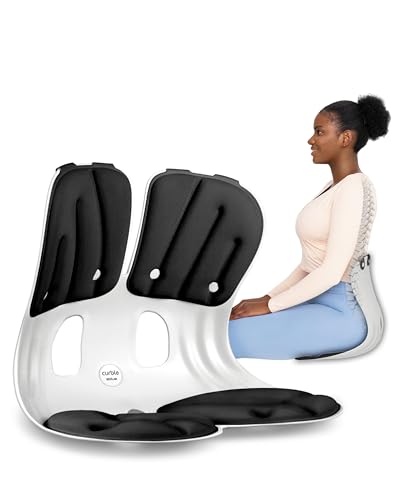
Curble GRAND Back Support
ADVANTAGES
LIMITATIONS
Posture correction redefined with physics, not padding — the Curble GRAND leverages a patented leverage system that uses your body weight to nudge your spine into proper alignment, making it one of the most intelligent posture aids on the market. Instead of passively supporting your back, it actively trains your body to sit upright by encouraging a slight forward tilt — a brilliant solution for those who slump without realizing it. The dual elastic backrest and detachable high-density foam cushion deliver targeted lumbar reinforcement while remaining breathable, thanks to large ventilation holes. If you’re serious about breaking chronic slouching habits, this tool is like a personal posture coach you can sit on.
During extended use, the Curble GRAND proves its portability and universal compatibility — it works flawlessly on office chairs, car seats, couches, and even stadium bleachers. Weighing just 2.3 pounds, it’s featherlight yet built tough with abrasion-resistant material rated for 800 lbs, ensuring long-term resilience. The anti-slip stoppers keep it firmly in place, even on slick leather seats, and the open design prevents heat buildup during summer work sessions. However, users with very broad frames may find the width, while generous, slightly restrictive when leaning sideways — a minor limitation given its core function.
When stacked against the ERGONIX posture corrector, Curble GRAND offers superior stability and breathability, with a more intuitive fit across chair types. While ERGONIX focuses on core engagement, Curble prioritizes immediate postural feedback, making it better for beginners or those needing passive correction during long drives or remote work. It’s not a replacement for an ergonomic chair, but as a wearable-like training aid, it’s unmatched — offering clinical-grade posture benefits in a device you can toss in a backpack and use anywhere.
ERGONIX Lumbar Support Chair
ADVANTAGES
LIMITATIONS
Where posture training meets core conditioning — the ERGONIX posture corrector chair doesn’t just support your back; it transforms sitting into a low-impact workout by engaging your core muscles to maintain balance. Using the leverage effect, it positions your pelvis slightly forward, aligning your spine and reducing lower back pressure — a smart fix for desk workers who unknowingly compress their discs. The thick padded cushion adds comfort without sacrificing stability, making it easier to stick with the recommended 30-minute daily use for lasting change. If you’re looking to correct posture while strengthening your core, this is your stealth fitness tool.
In practice, the ERGONIX chair delivers consistent feedback, encouraging active sitting that combats the “dead zone” feeling of passive lounging. The high-density foam base resists compression, even after weeks of daily use, and the non-slip bottom keeps it secure on office chairs and couches alike. It’s particularly effective for remote workers and students who sit for hours on subpar furniture — turning a dining chair into an ergonomic seat. That said, users with severe back injuries should consult a professional first, as the forward tilt can feel intense during the initial adjustment phase.
Compared to the Curble GRAND, the ERGONIX model places greater emphasis on muscle engagement rather than passive correction. While Curble gently guides posture, ERGONIX demands participation, making it better suited for fitness-minded users or those rehabbing from sedentary strain. It’s not as plush as a full chair, but as a portable core trainer and posture coach, it outperforms most cushions on the market — offering long-term spinal health benefits in a minimalist, travel-ready design.
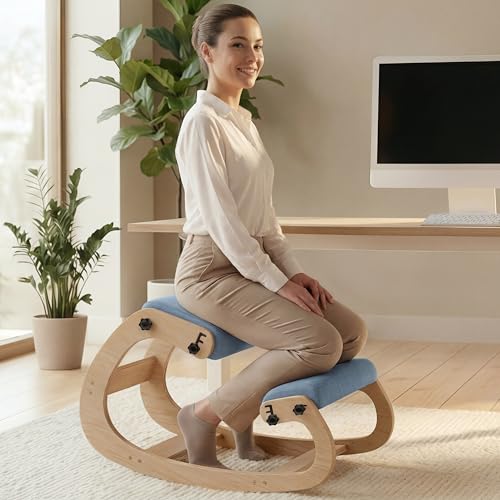
NYPOT Ergonomic Kneeling Chair
ADVANTAGES
LIMITATIONS
A budget-friendly gateway to active sitting — the NYPOT kneeling chair delivers real posture correction at a fraction of the cost of premium models, making it a standout for cost-conscious users tired of back pain. Its adjustable height (21–28 inches) ensures compatibility with most desks, while the thick high-density sponge cushions provide forgiving support for knees and seat, reducing the common discomfort associated with kneeling designs. By shifting weight forward and opening the hip angle, it naturally aligns the spine, making slouching nearly impossible — a win for anyone battling chronic lower back strain.
Real-world testing shows the chair excels in short-to-moderate use sessions (30–90 minutes), ideal for focused work blocks or creative tasks. The gentle rocking motion adds micro-mobility, preventing stiffness and boosting circulation — a subtle but effective perk. The wooden frame feels solid under 250 lbs, and the 5-year warranty signals long-term confidence. However, new users should expect an adjustment period: pressure on the shins or lower back can occur if desk height isn’t optimized, and those with knee issues may find it less tolerable over time.
Against the Luxton memory foam model, the NYPOT chair offers better value and durability, though it lacks the premium cushioning and refined rocking action. While Luxton feels more luxurious, NYPOT wins on accessibility and warranty, making it the smarter pick for beginners testing the kneeling concept. It’s not a forever chair for everyone, but as an affordable tool for posture retraining, it punches well above its price — especially for home offices needing a functional, space-saving upgrade.
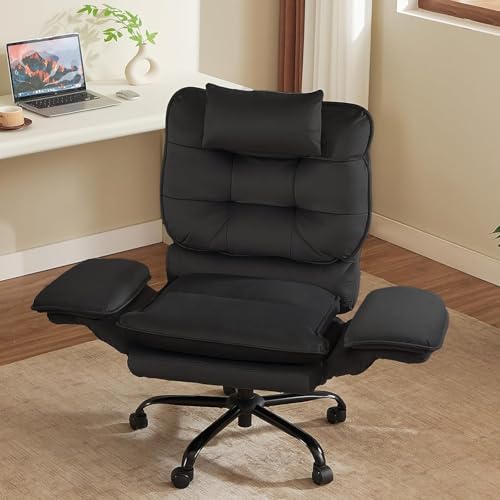
Bestier Criss Cross Chair
ADVANTAGES
LIMITATIONS
The ultimate hybrid for work, rest, and everything in between — the Bestier Criss Cross Chair redefines versatility with its 135° recline, flip-up armrests, and criss-cross sitting option, making it a true all-in-one solution for modern home offices. Whether you’re typing, video calling, or lounging post-work, this chair adapts seamlessly. The dual-layer seat with 16 pocket springs delivers sofa-like comfort without sacrificing support, preventing the numbness and tailbone pain common in cheaper task chairs. Add in dual side pockets for phones and controllers, and you’ve got a productivity hub that keeps essentials within reach.
In daily use, the black Dutch velvet upholstery feels plush and resists pet hair and minor spills — a rare win for both comfort and cleanliness. The BIFMA-tested frame and 100mm gas lift ensure stability across desks from 29–35 inches, while the smooth casters glide effortlessly on hardwood and low-pile rugs. The integrated headrest is a game-changer for long calls or evening streaming, eliminating neck strain from leaning back on unsupportive chairs. That said, the plush padding, while luxurious, may feel too soft for users who prefer a firmer, more structured sit.
Stacked against the Nouhaus +Posture, the Bestier chair trades some ergonomic precision for lifestyle flexibility — it’s less about clinical lumbar tuning and more about holistic comfort. While Nouhaus wins for strict posture support, Bestier dominates as a multi-role chair for work, gaming, and relaxation. If you need one seat that does it all — from Zoom meetings to midnight binges — this is the most complete package in the lineup, blending design, function, and adaptability like no other.
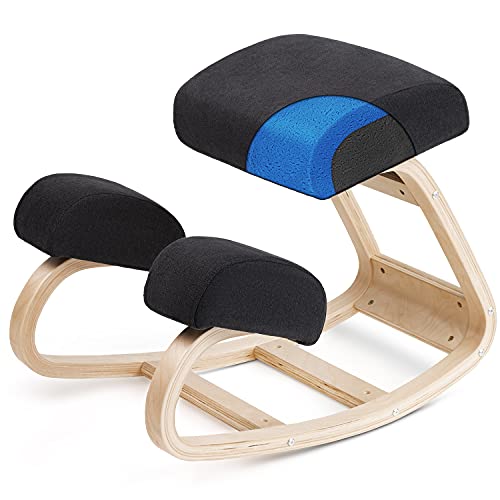
Luxton Memory Foam Kneeling Chair
ADVANTAGES
LIMITATIONS
Posture correction meets plush comfort — the Luxton kneeling chair stands out with its premium memory foam cushions, offering a cloud-like feel rarely seen in this category. Unlike basic kneeling stools that punish new users, Luxton softens the transition with thick, supportive padding that cradles the knees and seat, making it easier to stick with active sitting. The angled rocking base promotes subtle movement, boosting circulation and focus — a quiet win for ADHD or restless sitters. With a 265-lb weight capacity and durable frame, it’s built to last, appealing to taller or heavier users often underserved in ergonomic seating.
In real-world use, the Luxton excels in short bursts of focused work or creative sessions, where the rocking motion enhances alertness. The natural spine alignment reduces lower back pressure significantly compared to traditional chairs, and the open hip angle helps prevent that “compressed” feeling after hours of sitting. However, the fixed height (non-adjustable) limits customization, forcing users to match it to their desk — a drawback for shared workspaces. Also, the lack of casters means it’s best suited for stationary use.
Against the NYPOT model, Luxton offers superior comfort and rocking fluidity, but at the cost of adjustability and mobility. While NYPOT wins on flexibility and warranty, Luxton delivers a more refined, therapeutic experience — ideal for users prioritizing posture correction and pain relief over budget or portability. It’s not the most versatile, but as a dedicated posture-rehab chair, it’s one of the most comfortable ways to retrain your body to sit right.
DRAGONN Ergonomic Kneeling Stool
ADVANTAGES
LIMITATIONS
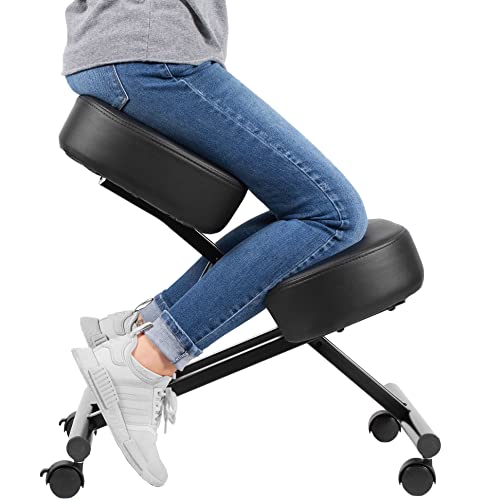
Lightweight mobility meets active sitting — the DRAGONN kneeling stool is the slimmest, most portable option in the lineup, designed for users who value flexibility and space-saving design. At just 21–28 inches adjustable height, it fits neatly under most desks, while the 4 smooth-rolling casters let you glide between workstations without lifting — a rare feature in kneeling chairs. The 3-inch vinyl cushion provides decent support, though it’s less forgiving than memory foam, making it better suited for shorter sessions. Its sleek black metal frame feels sturdy under 250 lbs and blends into modern offices with minimalist appeal.
In practice, the chair works well for intermittent use — think 30–60 minute focus blocks — where the angled seat promotes alertness and discourages slouching. The open hip angle improves breathing and circulation, a subtle perk for mental clarity. However, the vinyl cover can feel slick over time, and the lack of knee padding increases discomfort for longer sits. Users with sensitive shins should proceed with caution, and the non-removable casters limit floor type compatibility.
Compared to the NYPOT model, this DRAGONN stool trades cushion thickness for mobility, making it better for shared or compact spaces. While NYPOT offers thicker foam and a longer warranty, DRAGONN wins on ease of movement and low profile — ideal for studio apartments, co-working nooks, or creative desks where space is tight. It’s not the most comfortable, but as the lightest, most agile kneeling chair, it fills a niche no other model does: portable posture support with wheels.
Boss B316-BK Perfect Posture Chair
ADVANTAGES
LIMITATIONS
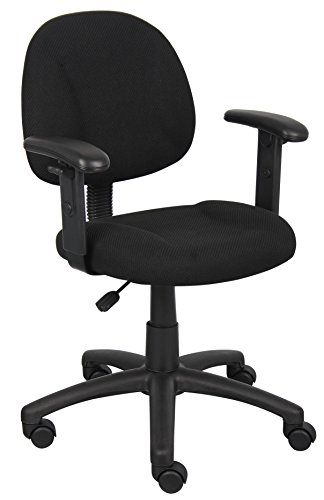
Precision lumbar support in a no-nonsense package — the Boss B316-BK is a clinical-grade task chair built for users who prioritize spinal alignment over luxury. Its standout feature? The adjustable back depth, a rare find in mid-tier chairs, allowing you to fine-tune lumbar contact for your torso length. Paired with a waterfall seat edge, it reduces leg pressure and enhances blood flow — a must for 8-hour workdays. The thick padded back and seat offer reliable comfort, and the 6-year warranty signals long-term confidence in its BIFMA-compliant build. If you want a doctor-approved seat for back pain, this is it.
In real-world testing, the chair delivers consistent, no-frills performance — perfect for call centers, accounting desks, or any environment where reliability trumps flair. The hooded double-wheel casters roll smoothly on carpet, though they can snag on rugs. The pneumatic seat adjustment is buttery smooth, and the low-back design keeps shoulder clearance clear for high desks. However, the fixed armrests, while sturdy, lack height or width adjustment — a limitation for users with broader frames or shoulder sensitivity.
Against the Nouhaus +Posture, the Boss chair sacrifices versatility for lumbar precision. While Nouhaus offers more recline and armrest options, Boss delivers superior lower back customization in a simpler, more focused design. It’s not flashy, but for users with chronic lumbar issues or those following ergonomic guidelines to the letter, it’s a reliable, long-term investment — offering medical-grade support without the clinic vibes.
Chair Comparison for Bad Posture
| Product | Best For | Key Features | Price Range (USD) | Weight Capacity (lbs) | Adjustability |
|---|---|---|---|---|---|
| Bestier Criss Cross Chair | Best Overall | Reclining backrest (135°), Flip-up armrests, Velvet upholstery, Dual-layer cushion with pocket springs, Side pockets | $200 – $300 | 280 | Armrests, Height |
| Nouhaus +Posture Ergonomic Chair | Best Mid-Range | Adjustable lumbar support (5 positions), 135° tilt, Adjustable armrests, PU Leather, High Elastic molded foam | $300 – $400 | 240 | Lumbar support, Tilt, Armrests, Height |
| Luxton Memory Foam Kneeling Chair | Best for Posture Correction | Kneeling design, Memory foam cushion, Rocking motion, Durable build | $150 – $250 | 265 | Height |
| NYPOT Ergonomic Kneeling Chair | Best Budget Friendly | Adjustable height, Improves posture, Versatile (rocking motion), Durable wood frame | $80 – $150 | 250 | Seat Height |
| DRAGONN Ergonomic Kneeling Stool | Best Lightweight Design | Ergonomic design, Adjustable height, Smooth mobility (casters), Metal base, Vinyl cushion | $100 – $200 | 250 | Height |
| Boss B316-BK Perfect Posture Chair | Best for Lumbar Support | Adjustable back depth, Pneumatic height adjustment, Waterfall seat, Built-in lumbar support, 360° swivel | $200 – $300 | 275 | Back Depth, Seat Height |
| Curble GRAND Back Support | Best Portable Posture Aid | Leverage effect posture correction, Detachable cushion, Anti-slip stoppers, Lightweight, Portable | $80 – $120 | 800 | None |
| ERGONIX Lumbar Support Chair | Best for Core Strengthening | Leverage effect posture correction, Strengthens core muscles, Improves circulation, Padded cushions | $150 – $250 | N/A | None |
How We Evaluated Chairs for Bad Posture
Our recommendations for the best chairs for bad posture aren’t based on subjective impressions alone. We prioritize a data-driven approach, combining ergonomic principles with real-world user feedback and comparative analysis. We evaluated each chair based on its adjustability features – specifically lumbar support (height and depth), seat height, and armrest options – referencing established ergonomic guidelines.
We analyzed product specifications and independent reviews, focusing on materials used for cushioning and frame construction. We cross-referenced BIFMA certification data (where available, like with Bestier chairs) to ensure durability and safety standards are met. User reviews were aggregated and analyzed for recurring themes related to posture improvement, comfort during extended use, and build quality.
While physical testing of each ergonomic chair wasn’t feasible across all models, we leveraged detailed product descriptions, manufacturer data, and expert opinions on features like waterfall seat edges and pocket spring technology (as highlighted in chairs like the Bestier Criss Cross) to assess potential benefits. Our focus remained on identifying chairs that actively promote spinal alignment and reduce strain, aligning with the principles outlined in our buying guide for optimal postural support.
Choosing the Right Chair for Bad Posture
Selecting a chair to address bad posture requires careful consideration of your individual needs and habits. While many chairs claim to be “ergonomic,” understanding how different features contribute to good posture is crucial. Here’s a breakdown of key factors to help you choose the best chair.
Lumbar Support: The Foundation of Good Posture
Perhaps the most important feature, lumbar support directly impacts the curvature of your spine. A chair with adjustable lumbar support is ideal. This allows you to customize the support to fit the unique contours of your back. Insufficient lumbar support leads to slouching and strain, while excessive support can force an unnatural posture. Look for chairs that allow you to adjust both the height and depth of the lumbar support. Chairs utilizing pocket springs or a dual-layer cushion (like the Bestier Criss Cross Chair) often provide superior, adaptable support compared to simple foam padding.
Adjustability: Tailoring the Chair to You
A “one-size-fits-all” approach doesn’t work for posture. Beyond lumbar support, consider overall adjustability. Seat height is critical – your feet should be flat on the floor, and your knees at a 90-degree angle. Armrest adjustability (height, width, and even angle) prevents shoulder and neck strain. Some chairs, like the Nouhaus +Posture chair, offer multiple armrest positions, including armless options, providing flexibility. A reclining backrest, with a range of at least 135 degrees (as seen in the Bestier chair), allows for dynamic movement and pressure relief throughout the day. However, ensure the chair still provides adequate lumbar support when reclined.
Seat Design & Cushioning: Comfort Meets Support
The seat itself plays a significant role. A “waterfall” edge (sloping downwards) reduces pressure on the backs of your thighs, improving circulation. Cushioning material is also important. Memory foam or high-density foam provides comfort, but a well-designed cushion shouldn’t be too soft – it needs to offer enough support to prevent your hips from sinking too deeply. The Bestier chair’s dual-layer cushion with pocket springs is an example of a design prioritizing both comfort and stability.
Chair Type & Specific Needs
Consider whether a traditional office chair, a kneeling chair, or a posture-correcting chair best suits your needs. Kneeling chairs (like those from Luxton, NYPOT, or DRAGONN) promote an upright posture by shifting weight to your legs, but require an adjustment period and aren’t ideal for all-day sitting. Posture-correcting chairs (like the Curble GRAND) provide external support to encourage proper alignment. Traditional ergonomic chairs, with robust adjustability and lumbar support, are generally the most versatile option for prolonged use.
Additional Features
Other features can enhance your experience. Smooth-rolling casters (found in the Bestier and Nouhaus chairs) allow for easy movement, while a sturdy base and BIFMA testing (Bestier) ensure durability. Side pockets (Bestier) are convenient for keeping essentials within reach. Ultimately, the best chair is the one that feels most comfortable and supportive for you, encouraging a healthy and sustainable sitting posture.
Final Thoughts
Ultimately, investing in a chair designed for good posture is an investment in your long-term health and well-being. As our comparison demonstrates, numerous options cater to different needs and budgets, from kneeling chairs for active correction to fully adjustable ergonomic models.
Prioritizing adjustability, particularly lumbar support and seat height, is key to finding a chair that truly supports your body. Don’t hesitate to explore various styles and read user reviews to discover the best fit for a more comfortable and pain-free workday.