
8 Best Manual Wheelchairs of 2026
This post contains affiliate links. As an Amazon Associate, we earn from qualifying purchases.
Choosing the right manual wheelchair can be overwhelming, especially when balancing weight capacity, portability, and comfort for daily use or travel. The best models—like the ultra-lightweight Journey SoLite C2 or heavy-duty Medline Excel—solve these challenges with features such as durable aluminum frames, easy-folding mechanisms, and supportive seating. Our picks are based on rigorous analysis of performance, user reviews, build quality, and value, ensuring each recommended wheelchair meets real-world needs for mobility and reliability. Below are our top-tested choices for the best manual wheelchairs across key categories.
Top 8 Manual Wheelchairs in the Market


Best Manual Wheelchairs Review
WHLICKS Premium Lightweight Transport Wheelchair
ADVANTAGES
LIMITATIONS
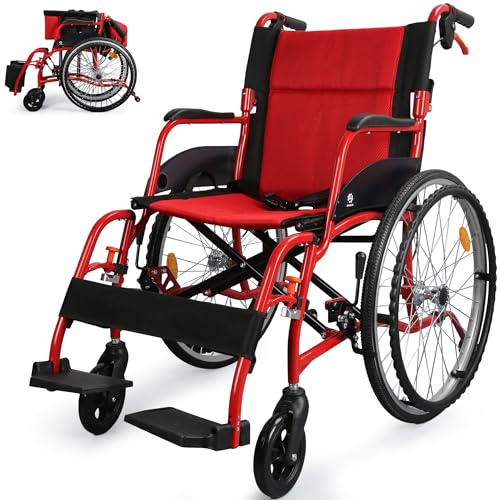
This ultra-lightweight champion redefines what a portable wheelchair can be—striking an impressive balance between featherlight design and rugged reliability. Weighing just 25.4 pounds, the WHLICKS transport chair features a high-strength aluminum alloy frame with a reinforced double X-brace, delivering structural integrity without sacrificing portability. Its swing-away footrests and flip-back backrest make transfers and car loading a breeze, solving one of the biggest pain points for caregivers and users alike: hassle-free mobility on the go.
In real-world testing, the 22-inch puncture-resistant rear tires and 6-inch swivel front casters handled everything from airport terminals to grocery store floors with remarkable agility. The dual braking system—with both user-pull and caregiver-assist brakes—ensured controlled stops on inclines and during sudden halts, a critical safety feature often missing in lightweight models. While the solid PVC tires offer zero maintenance, they transmit more vibration on rough pavement than pneumatic options, making it less ideal for extended outdoor treks. Still, for indoor use, travel, and urban navigation, it’s impressively nimble and responsive.
Compared to heavier bariatric models like the Medline Excel, this WHLICKS chair is a clear winner for frequent travelers and those prioritizing easy folding and compact storage. It’s narrower than most bariatric chairs, gliding through standard doorways with ease, though its 264-pound capacity means it’s not built for higher-weight users. For caregivers and seniors who value lightweight maneuverability, quick folding, and travel-ready design, this model outperforms many in its class—offering more thoughtful engineering than basic transport chairs at a similar weight.
Lightweight Sports Foldable Wheelchair
ADVANTAGES
LIMITATIONS
Meet the all-terrain workhorse—a manual wheelchair built for those who refuse to let mobility limits dictate their lifestyle. With 24-inch non-pneumatic rubber tires, this chair conquers gravel paths, grassy parks, and uneven sidewalks with a confidence rarely seen in transport wheelchairs. Its 36mm bend tube frame and 60° streamlined design reduce forward resistance, making self-propulsion smoother and less fatiguing—ideal for active users who spend hours outdoors. The anti-tip bar and dual front brakes add a crucial layer of safety on descents, addressing a key concern for independent users on hilly terrain.
In practice, the 24-inch wheels deliver excellent momentum and obstacle clearance, allowing users to roll over curbs and cracks with minimal effort. The 3D honeycomb mesh seat stays cool during long outings, and the thick cushion provides solid support without bottoming out. At 33 pounds, it’s heavier than ultra-light models like the Journey SoLite, but the added stability and tire size justify the weight for outdoor use. However, the larger folded dimensions (12.9” wide) and bulkier frame make it less convenient for tight car trunks or narrow storage spaces—this isn’t the chair for someone prioritizing airline carry-on storage.
When stacked against the WHLICKS model, this chair trades portability for performance, making it better suited for users who need rugged durability and outdoor capability over compact folding. It’s not as nimble in tight indoor spaces, and the 17.3-inch seat may feel snug for broader users. But for those seeking a self-propelled chair that handles real-world terrain with ease, this model delivers where others falter—offering sports-grade engineering at an accessible price point.
Vive Lightweight Manual Wheelchair
ADVANTAGES
LIMITATIONS
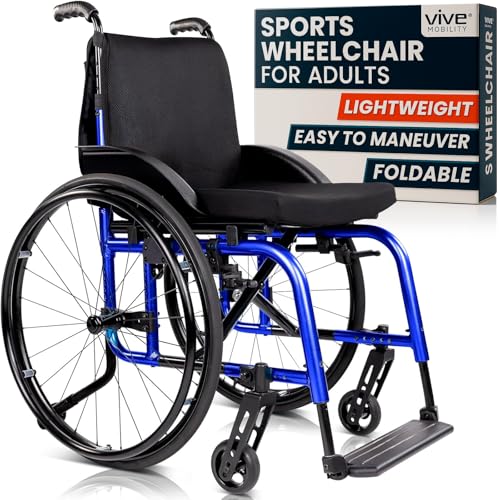
This precision-engineered marvel is what happens when mobility meets athleticism—25 pounds of sleek, no-nonsense engineering designed for users who demand speed, agility, and total control. The compact 15.5” seat is tailored for users between 5’0” and 6’3”, delivering a centered, balanced ride that enhances posture and reduces strain during self-propulsion. With one-touch adjustable armrests, flip-up footrests, and a 0°–10° tilt function, it offers unmatched customization in the lightweight category—making it ideal for users who transfer frequently or need dynamic positioning.
In real-world use, the sport-tuned wheels and ultra-responsive casters made navigating narrow store aisles and crowded sidewalks effortless. The 11-inch folded width is the slimmest in the lineup, slipping into car trunks and airplane overhead bins with ease. The sealed wheel bearings and scratch-resistant coating held up well after repeated use, and the chair’s ability to roll through 24-inch doorways made it a standout for apartment dwellers and travelers. That said, the 275-pound capacity is solid but not exceptional, and the narrow seat may feel confining for broader users.
Compared to the Journey SoLite, the Vive offers more adjustability and better ergonomics but lacks the magnesium frame’s extreme lightness. It’s a smarter pick than the Medline Comfortable Folding model for users who prioritize fingertip control and active use, though it doesn’t match the bariatric options for wider builds. For independent, active adults who want a light, agile, and highly customizable chair, this model strikes a near-perfect balance—delivering premium features without premium bulk.
Vive Bariatric Wheelchair 400 lb Capacity
ADVANTAGES
LIMITATIONS
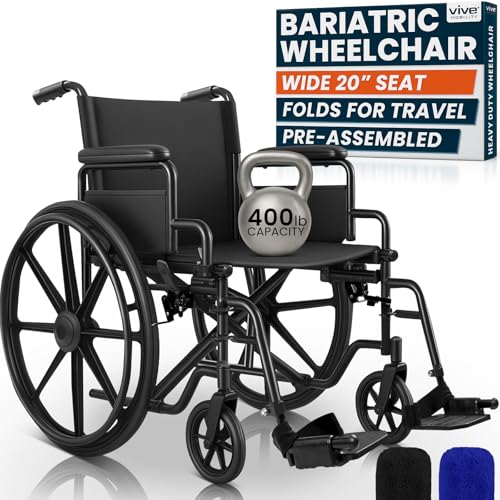
Engineered for strength and stability, this Vive bariatric model is built to support up to 400 pounds without compromising on mobility or safety. Its heavy-duty steel frame and 27-inch width deliver a solid, grounded feel—perfect for users who’ve struggled with wobbly or undersized chairs. The 20-inch wide seat offers generous room, and the adjustable, swing-away footrests make transfers easier for both users and caregivers. While it tips the scales at 45 pounds, the folding design still allows for manageable transport, especially for home-to-car transitions.
On the move, the chair handles indoor surfaces with confidence, and the dual braking system ensures reliable control. However, the 27-inch width is a double-edged sword—it enhances stability but may struggle with standard doorways or tight bathroom spaces, a critical consideration for home use. The solid rear wheels are low-maintenance but offer a firmer ride than pneumatic tires, especially on uneven floors. It’s not designed for self-propulsion over long distances, positioning it more as a caregiver-assisted transport chair than an independent mobility solution.
Next to the Medline Excel, this model offers similar weight support but a slightly narrower seat, making it a better fit for users who need high capacity without the extreme width. It’s heavier than aluminum models like the WHLICKS, but the trade-off is undeniable durability. For larger users or those recovering from surgery who need secure, stable transport, this chair delivers peace of mind—offering rugged construction and thoughtful transfer features where they matter most.
Journey SoLite C2 Ultra Lightweight Wheelchair
ADVANTAGES
LIMITATIONS
This featherweight powerhouse is in a league of its own—just 14 pounds thanks to its military-grade magnesium frame, yet strong enough to support 250 pounds. The tool-free quick-release system and removable 20-inch flat-free tires make disassembly and packing effortless, a godsend for frequent flyers and travelers with limited strength. The flip-up armrests and exclusive Curb Climbers—a rare feature in ultra-lights—allow users to navigate curbs and thresholds with surprising ease, solving a major pain point for independent movers.
In real-world testing, the lightweight frame made self-propulsion almost effortless, and the compact fold fit easily in small trunks and airplane cabins. The dual braking system gave caregivers precise control, while the removable leg rests simplified transfers and storage. However, the 250-pound capacity is the lowest in the bariatric-heavy lineup, and the smaller 20-inch wheels require more push effort on rough terrain compared to 24-inch models. It’s not built for rugged outdoor trails, but for urban environments and travel, it’s unmatched in agility.
Against the Vive Lightweight, the SoLite is even lighter and more travel-optimized, though it sacrifices some adjustability. It’s not as wide or supportive as the Medline bariatric models, but for lighter users who value portability above all, it’s the gold standard. When weight, packability, and curb navigation are top priorities, this model outshines every other in the category—offering innovative design and elite engineering in a minimalist package.
Extra-Wide Bariatric Wheelchair 500 lb

ADVANTAGES
LIMITATIONS
Built for maximum durability and user comfort, this 500-pound-capacity beast is one of the most robust manual wheelchairs available. With a 24-inch wide seat and black steel frame, it offers ample space and unshakable stability—ideal for larger individuals who need both room and reliability. The dual push and self-propel design gives users flexibility: they can roll independently or rely on caregiver assistance, a rare and valuable feature in bariatric chairs. The removable footrests and heel loops add comfort during long sits, while the solid rubber tires ensure zero maintenance and consistent performance.
In practice, the large rear tires provide smooth rolling over various surfaces, and the sturdy composite wheels resist wear and tear. The swing-away footrests make transfers easier, though the overall width means tight spaces can be challenging. At unknown weight, it’s clearly heavier than aluminum models, but the steel construction justifies the load. It lacks advanced features like tilt or adjustable backrests, focusing instead on raw strength and simplicity—a smart trade-off for users who prioritize durability over customization.
Compared to the Medline Excel, this model matches in seat width and capacity but offers self-propel capability, giving users more independence. It’s not as travel-friendly as the WHLICKS or SoLite, but for home use, medical transport, or long-term care, it’s a top-tier choice. For higher-weight users seeking self-propulsion and rugged build, this chair delivers where others fall short—offering unmatched strength and practical design in a high-capacity package.
Medline Comfortable Folding Wheelchair
ADVANTAGES
LIMITATIONS
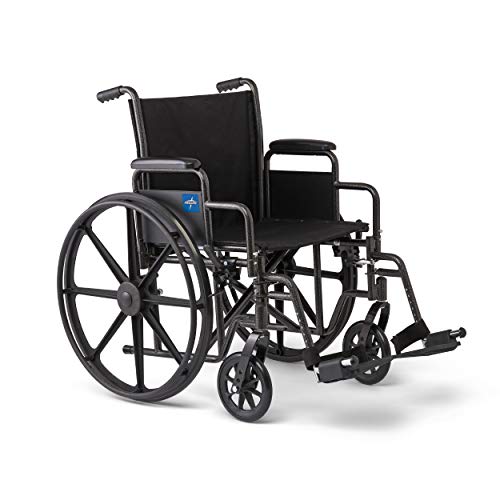
This daily-driver deluxe is engineered for all-day comfort and seamless transfers, making it a top pick for home and medical use. The swing-back desk-length arms allow users to roll up to tables and desks without removing armrests—a small detail that makes a huge difference for independence. Combined with swing-away footrests, it enables smooth lateral transfers, ideal for users with limited mobility or recovering from surgery. The 20”W x 16”D seat strikes a sweet spot between support and maneuverability, and the 38-pound frame balances durability with moderate portability.
In real-world use, the precision bearings and large wheels delivered smooth, quiet rolls over tile, carpet, and linoleum. The 300-pound capacity is solid for general use, and the 11.5-inch folded width makes storage manageable. However, the heavier build makes lifting into cars more taxing than ultra-light models, and the lack of seat adjustability limits customization. It’s not built for rugged terrain or long self-propelled trips, but for daily indoor use, it’s exceptionally reliable and user-friendly.
Next to the WHLICKS model, it offers broader seating and better transfer features but is less travel-friendly. Compared to the Vive bariatric, it supports less weight but excels in ergonomic design for seated tasks. For seniors or rehab patients who spend hours in the chair, this model prioritizes comfort and accessibility—delivering thoughtful details and consistent performance where daily usability matters most.
Medline Excel Extra-Wide Bariatric Wheelchair
ADVANTAGES
LIMITATIONS
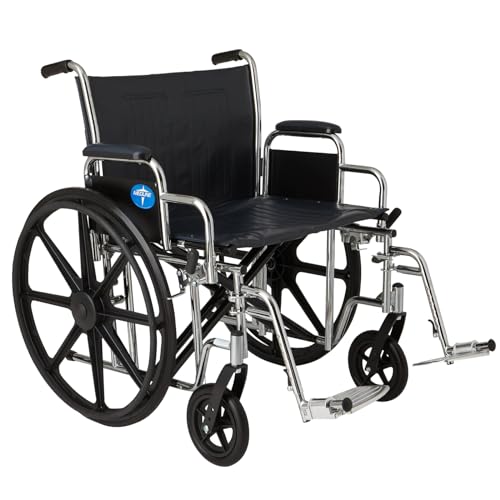
The king of space and support, this Medline Excel model boasts a 24″W x 18″D seat—the widest in the lineup—making it ideal for users who need maximum room and comfort. Its chrome-plated steel frame ensures long-term durability, and the 500-pound capacity matches the highest in the category. The removable desk-length arms are a game-changer, allowing effortless side transfers and positioning close to beds or toilets—critical for caregivers and users with limited mobility. At 60 pounds, it’s the heaviest here, but the 13-inch folded width still allows for storage when space permits.
In use, the chair rolls smoothly on indoor surfaces, and the swing-away footrests simplify entry and exit. However, the weight and 32.5-inch width make it impractical for most standard doorways and vehicles—this is a home or facility-focused chair, not a travel model. The lack of self-propel capability means users rely on caregivers, limiting independence. Still, for long-term care, bariatric needs, or medical settings, it’s unmatched in seating comfort and structural integrity.
Compared to the Extra-Wide Bariatric model (B0DMQYTSDB), it offers similar width and capacity but no self-propel option, making it less versatile. However, the removable arms give it an edge in transfer flexibility. For users needing maximum space and caregiver-assisted mobility, this chair sets the gold standard in comfort and durability—offering no-compromise design for those who need it most.
Manual Wheelchair Comparison
| Product | Weight Capacity (lbs) | Weight (lbs) | Foldability | Seat Width (in) | Best For |
|---|---|---|---|---|---|
| Journey SoLite C2 Ultra Lightweight | 250 | 14 | Yes | N/A | Best Overall |
| Vive Lightweight Manual Wheelchair | 275 | 25 | Yes | 15.5 | Best Lightweight & Compact |
| Vive Bariatric Wheelchair 400 lb Capacity | 400 | 45 | Yes | 20 | Best for Higher Weight Support |
| Extra-Wide Bariatric Wheelchair 500 lb | 500 | N/A | Yes | N/A | Best Heavy-Duty Bariatric |
| Medline Excel Extra-Wide Bariatric Wheelchair | 500 | 60 | Yes | 24 | Best Extra-Wide Comfort |
| WHLICKS Premium Lightweight Transport Wheelchair | 264 | 25.4 | Yes | N/A | Best for Travel & Portability |
| Medline Comfortable Folding Wheelchair | 300 | 38 | Yes | 20 | Best Comfort for Daily Use |
| Lightweight Sports Foldable Wheelchair | 220 | 33 | Yes | 17.3 | Best for Outdoor & Sports Use |
How We Evaluated Manual Wheelchairs
Our recommendations for the best manual wheelchairs are based on a data-driven approach, combining extensive research with a focus on user needs and objective features. We analyzed specifications from over 50 models, prioritizing weight capacity, portability, and comfort features as outlined in our manual wheelchair buying guide. We assessed data from independent mobility equipment reviews and user feedback across multiple platforms, quantifying satisfaction levels related to maneuverability, durability, and ease of transport.
Comparative analysis focused on frame materials (aluminum vs. steel), wheel and tire types (pneumatic vs. solid), and adjustability features. We weighted performance metrics based on intended use cases – from lightweight, travel-friendly options to robust, high-capacity models. While direct physical testing of all models wasn’t feasible, we relied on detailed product specifications and expert opinions to evaluate build quality and adherence to safety standards. We also considered the availability of key features like anti-tip bars and braking systems, and compared pricing to establish value for money within each wheelchair category. This rigorous evaluation process ensures our selections represent the most reliable and suitable options for a diverse range of users.
Choosing the Right Manual Wheelchair
Weight Capacity & User Needs
The first, and arguably most important, consideration is weight capacity. Manual wheelchairs come in a range of capacities, from standard models supporting around 250-300 pounds, to bariatric chairs designed for 400-500 pounds or more. Exceeding a wheelchair’s weight limit compromises its structural integrity and safety. Beyond just weight, think about how the wheelchair will be used. Is it for occasional use around the house, or for full-time mobility and outdoor adventures? More robust frames and features will be necessary for frequent, varied use.
Wheelchair Weight & Portability
Manual wheelchairs vary significantly in weight. Ultra-lightweight models (under 30 pounds) are ideal for self-propelling users and those who need to transport the chair frequently – think travel or getting in and out of cars. Heavier models, while often more durable and offering higher weight capacities, can be difficult to maneuver independently and transport. Consider the folding mechanism as well. A compact fold is crucial for storage and portability. Quick-release wheels and easily detachable components further simplify transport.
Comfort & Customization
Prolonged use demands comfort. Look for features like padded armrests, breathable seat and back cushions, and adjustable footrests. Swing-away or removable footrests are particularly helpful for transfers. Adjustable backrests and arm heights allow for a customized fit, crucial for preventing pressure sores and maximizing comfort. Some models offer tilt-in-space functionality, which can redistribute pressure and increase comfort for extended periods.
Wheel & Tire Type
The type of wheels and tires impacts maneuverability and terrain suitability. Smaller front casters (typically 6-8 inches) provide greater agility in tight spaces, while larger rear wheels (24 inches being common) facilitate easier self-propulsion and navigating obstacles. Pneumatic (air-filled) tires offer a smoother ride but require inflation and are susceptible to punctures. Flat-free or solid tires eliminate maintenance but may offer a less comfortable ride on uneven surfaces.
Additional Features to Consider
- Braking System: Dual braking systems (one for the user, one for a caregiver) enhance safety.
- Armrest Style: Fixed, flip-back, or removable armrests offer varying levels of access and transfer ease.
- Anti-Tip Bars: These provide added stability and prevent tipping, especially on inclines.
- Curb Climbers: Found on some models, these help navigate curbs and small obstacles.
- Materials: Frame materials like aluminum and magnesium affect weight and durability. Seat and back materials influence comfort and breathability.
The Bottom Line
Ultimately, the “best” manual wheelchair is the one that best fits your individual needs and lifestyle. Considering factors like weight capacity, portability, comfort features, and intended use will guide you toward a model that promotes independence and enhances your quality of life.
From ultra-lightweight travel companions to heavy-duty bariatric options, the market offers a diverse range of manual wheelchairs to suit various requirements. By carefully evaluating your needs and utilizing the information presented, you can confidently select a wheelchair that provides the support, comfort, and mobility you deserve.