
How to Fix an Office Chair That Won’t Stay Up
This post contains affiliate links. As an Amazon Associate, we earn from qualifying purchases.
To fix an office chair that won’t stay up, first check the gas cylinder for wear or leaks. If the chair sinks when you press the height lever while seated, it needs attention. You can use a hose clamp for a quick fix or replace the gas lift entirely for a more permanent solution. Regular maintenance, including cleaning and lubricating parts, will help keep your chair comfortable and sturdy. Further details and tips will follow for those looking for additional guidance.
Essential Facts in 30 Seconds
- Inspect the gas lift cylinder for wear or leaks; replace if necessary.
- Use a hose clamp for temporary stability to prevent sinking.
- Clean and lubricate moving parts every 3-6 months.
- Tighten screws and bolts biannually for secure attachment.
- Regularly test the height adjustment mechanism to catch issues early.
Common Causes of Chair Height Issues
An office chair that sinks can be a real problem. A worn-out gas cylinder is often the main issue. Over time, seals inside the cylinder wear down. This causes problems with height adjustment as gas escapes. Frequently adjusting the chair can stress the seals even more. Dust and humidity can also speed up wear and tear. Identifying the problem is crucial for a successful repair. Additionally, the height adjustment mechanism can sometimes become faulty, leading to further instability.
Stability can suffer if the gas strut fails. Micro-leaks can lead to pressure loss too. Listen for hissing sounds or check for visible wear on the cylinder. Proper adjustment is essential to maintain ergonomic posture, which can be compromised when a chair sinks. A malfunctioning cylinder may require replacing the gas lift cylinder to restore proper function and height stability.
These signs mean your chair needs some care. Knowing these causes helps you fix your chair’s sinking problem and enjoy comfortable seating again!
Diagnostic Steps to Identify the Problem
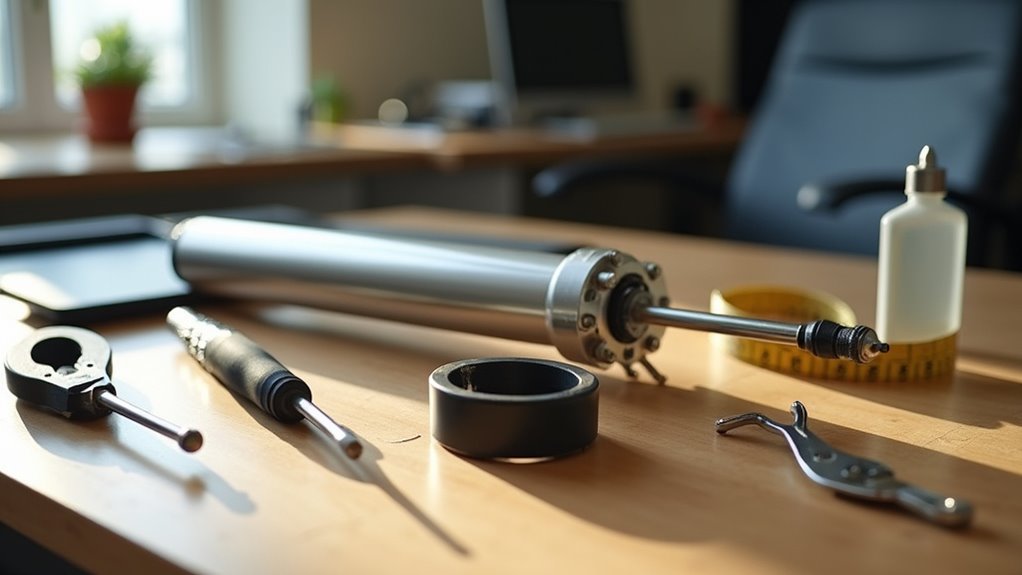
Get your chair back in shape! Start by sitting on it. Test the height lever. Does it move smoothly? Does the chair sink? These signs show a problem.
Next, check under the seat. Look for wobbly parts or damage. Sometimes, a little inspection helps find the issue. A fully adjustable chair is essential for ensuring proper posture and comfort during long hours of work. Regular maintenance, including checking for leaks in the gas cylinder, can also help prevent future issues. Additionally, identifying the cause of the sinking can lead to more effective solutions, such as addressing pneumatic cylinder pressure issues.
A sturdy chair is important. It keeps you comfortable. Don’t ignore small problems. Fixing them early saves time and money.
Test Chair Height Adjustment
Fixing an office chair can be like a small adventure. Start with the lever. Test it while sitting. If it doesn’t move, the mechanism might be stuck. Press the lever again. Does the chair go up or down? Wiggle the chair as you press. This can help free anything stuck. If the chair sinks right after you adjust it, check the pneumatic cylinder, as worn-out gas cylinders are a common cause of this issue. Ensuring the chair’s height is properly adjusted can significantly enhance overall comfort during use. Regular maintenance, such as checking the adjustment knob, can help prevent future issues that might arise.
Here’s a simple table to track your steps:
| Step | Action | Result |
|---|---|---|
| Test Lever | Press it while seated | Does it respond? |
| Observe Movement | Wiggle chair while pressing lever | Is it stuck or smooth? |
| Check Sinking | Adjust height and sit | Does it sink? |
These steps help you enjoy your chair’s ergonomic benefits!
Inspect Mechanism for Damage
Now, inspect the mechanisms for damage. Start with the cylinder. Is it hydraulic or pneumatic? Look for leaks. Any fluid means trouble. A worn-out pneumatic cylinder can lead to height adjustment failure. Regularly checking for creaking joints can also help identify issues that might affect functionality.
Check the tilt and recline mechanisms too. They should move smoothly. Make sure everything is aligned and attached properly. Remove any debris that might block the mechanisms. Additionally, regular maintenance can help you identify issues before they lead to a sinking chair.
Check the casters and the chair base. They need to be stable and functional.
A thorough inspection helps you fix any issues. Soon, your chair will feel like new again!
Tools and Materials Needed for Repair
Get ready to fix that office chair! Gather your tools and materials.
You’ll need measuring tools, fasteners, and possibly some replacement parts. These will help you tackle any broken parts. Don’t forget maintenance supplies to keep everything running smoothly. A flathead screwdriver and pliers will be essential for replacing the cylinder during your repair process. Ensure you have a staple gun handy if you plan to recover the chair as well. Additionally, having replacement wheels on hand can greatly improve your chair’s stability.
Grab your toolbox. Soon, you’ll turn that wobbly chair into a comfy throne.
A sturdy chair makes all the difference. No more worries about spills or squeaks! Enjoy your comfy new seat.
Essential Tools Overview
Here’s what you need:
- Measuring Tools: A measuring tape and ruler ensure everything fits perfectly. Additionally, proper chair height is crucial for comfort and support during repairs.
- Hand Tools: A screwdriver set and pliers are essential for handling screws and parts.
- Surface Protection: An old blanket or towel protects your floor from scratches while you work.
- Cleaning Supplies: Having mild detergent and water on hand can help you clean the chair as you make your repairs.
With these tools, your repair adventure will be a success!
Replacement Parts Needed
Fixing your office chair requires some key replacement parts. A replacement cylinder is a must if your chair sinks like a deflated balloon. Check the weight capacity and model for the right fit.
Next, consider replacing the tilt mechanism. A worn-out mechanism can affect how you recline and adjust. Proper height is important for maintaining good posture and comfort, so don’t overlook this part.
Remember to get screws and bolts to secure everything properly. With the right parts, your chair will be ready for long work hours. Additionally, regularly lubricating moving parts can help prevent future issues and maintain chair functionality.
You’re doing great by taking this step!
Maintenance Supplies Checklist
Give your office chair a fresh look with just a few supplies!
Start by gathering these essential items:
- Basic Cleaning Supplies: Get mild detergent, soft cloths, and a vacuum with attachments.
- Lubrication Tools: Use silicone-based lubricant and a small screwdriver set for those hard-to-reach spots.
- Inspection Gear: A flashlight and measuring tape help check the chair’s alignment.
These tools make cleaning and fixing your chair simple. Additionally, having lubrication tools on hand can help resolve any squeaks that may arise during the repair process.
Spilled ketchup? No worries! Use that mild soap solution to remove the stain quickly.
With these supplies, you’ll handle any chair problem like a pro. Keep your workspace comfy and stylish.
Let’s start working!
DIY Repair Techniques for a Sinking Chair
A sinking office chair can feel uncomfortable. Luckily, there are easy DIY fixes!
Start with a hose clamp. Find one at a hardware store. Take off the plastic cover. Slide the clamp over the metal cylinder and tighten it. For better grip, wrap duct tape around the clamp. This will help keep it stable.
For a quick fix, use PVC spacers. Slide one over the cylinder. Make sure it fits snugly. They aren’t adjustable, so size matters.
For a lasting solution, replace the gas lift cylinder. It costs about $30. This option brings long-term comfort.
Need temporary fixes? Duct tape works great. Wooden blocks under the legs can help too.
Always test your chair after each fix. Happy fixing!
Impacts of a Chair That Won’t Stay Up
A chair that won’t stay up can be very frustrating. It brings several problems.
Here are three key issues to know:
- Health Risks: A chair that sinks can cause back pain. It can also lead to bad posture and weak muscles over time.
- Mental Stress: Constantly adjusting your chair can make you feel stressed. This stress can hurt your focus and reduce your productivity.
- Blood Flow Issues: A sinking chair can block blood flow. This can increase your chances of circulatory problems.
Fixing a chair that won’t stay up is important for your comfort and health.
Don’t ignore the signs!
Replacement and Maintenance Tips
Fixing a chair that won’t stay up is just the start. Keeping it in great shape is key! Regular maintenance helps avoid future problems. Follow these simple tips.
| Task | Frequency | Replacement Options |
|---|---|---|
| Lubricate moving parts | Every 3-6 months | Use White Lithium Grease |
| Tighten screws and bolts | Twice a year | Check for any loose parts |
| Clean chair surfaces | Weekly | Use mild dish soap with warm water |
| Inspect gas lift cylinder | Every 6 months | Replace with a high-quality one |
These steps keep your chair working well. Stay on top of maintenance for a comfy and safe seat!
Frequently Asked Questions
Can I Fix My Chair Without Professional Help?
Fixing your chair is possible without calling a professional. Many chair problems have simple solutions. You can use hose clamps to tighten loose parts. Replacing the gas lift cylinder can also help if your chair won’t go up or down.
DIY repairs save money and give you satisfaction. You don’t need special skills to tackle most fixes. Just gather some basic tools and follow easy instructions. With a little effort, your chair can work like new again. Don’t hesitate to try fixing it yourself!
How Long Does a Gas Lift Cylinder Last?
A gas lift cylinder usually lasts between 5 to 10 years. Regular maintenance helps it last longer. This is important, especially for chairs used heavily. If your chair sinks unexpectedly, it may be time for a check-up. Keeping the cylinder clean and free from dust can also help. Proper care can make a big difference in how long it lasts. Be aware that heavy usage can wear it out faster. Always listen for any strange sounds or movements in your chair. Taking action early can save you from bigger problems later.
Are All Gas Lift Cylinders Interchangeable?
Not all gas lift cylinders work with every chair. Each chair model needs a specific type of gas lift. Always check the specifications for your chair. This ensures the cylinder fits properly. A good fit means better performance and safety. Don’t guess. Take a moment to verify compatibility before buying. Knowing the right type can save you time and money.
What Are Signs My Chair Needs Replacement?
A chair that wobbles is a clear sign of trouble. Lack of stability can lead to accidents. Look for signs of wear like tears or frayed fabric. Discomfort while sitting means it’s time to think about a new chair. Don’t ignore these signs. Waiting too long can make things worse. A good chair supports your body and keeps you comfortable. Replacing an old or damaged chair improves your health and productivity. Take action before it becomes a bigger problem. A sturdy, comfortable chair is worth the investment.
Can I Use Lubricant to Fix My Chair?
Lubrication helps maintain your chair. It reduces friction and noise. This makes your chair work better. Use the right lubricant for your chair’s materials. This prevents damage and keeps your chair in good shape. Regular lubrication can extend the life of your chair. It’s a simple way to keep things running smoothly.
Conclusion
Here you go! With these tips, you can fix your chair like a pro! Tighten those screws and add support where needed. Your chair will stand tall again—no more sinking down! A sturdy chair means more comfy hours for work or gaming. Roll up your sleeves and grab those tools. Let’s fix that chair together! You’ve got this! Give yourself a high-five for being awesome!